Don't worry about lesson planning EVER again
I've got you covered
TWO Payment Options!
Teaching 6th Grade World Cultures has NEVER been EASIER!

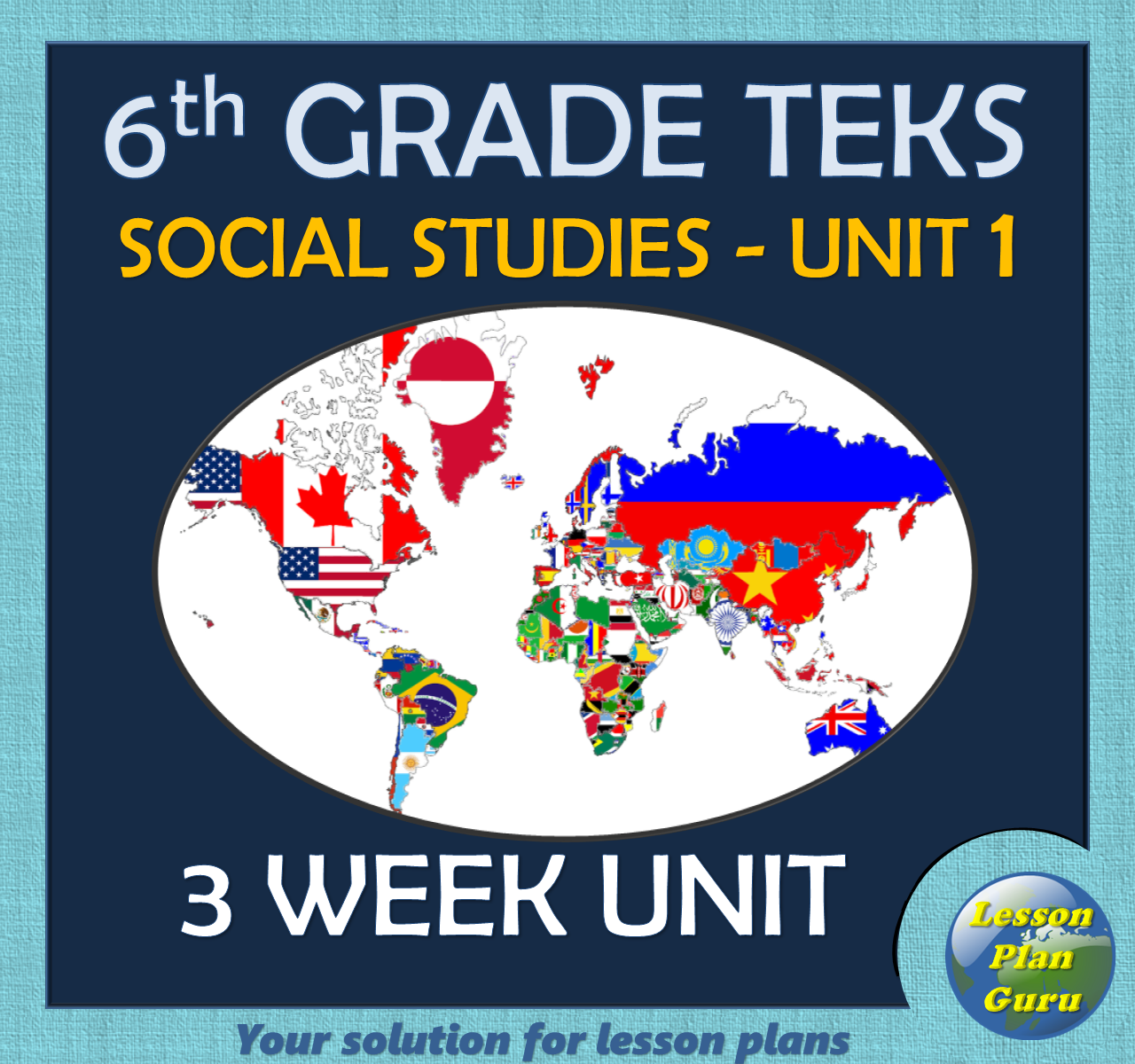
Unit 1: Studying the World's Cultural Patterns
-
What culture is and why it's important
-
Identifying spatial patterns and relationships
-
Significance of cultural traits such as language, religion, and more
-
Exploration of different types of government and economic systems
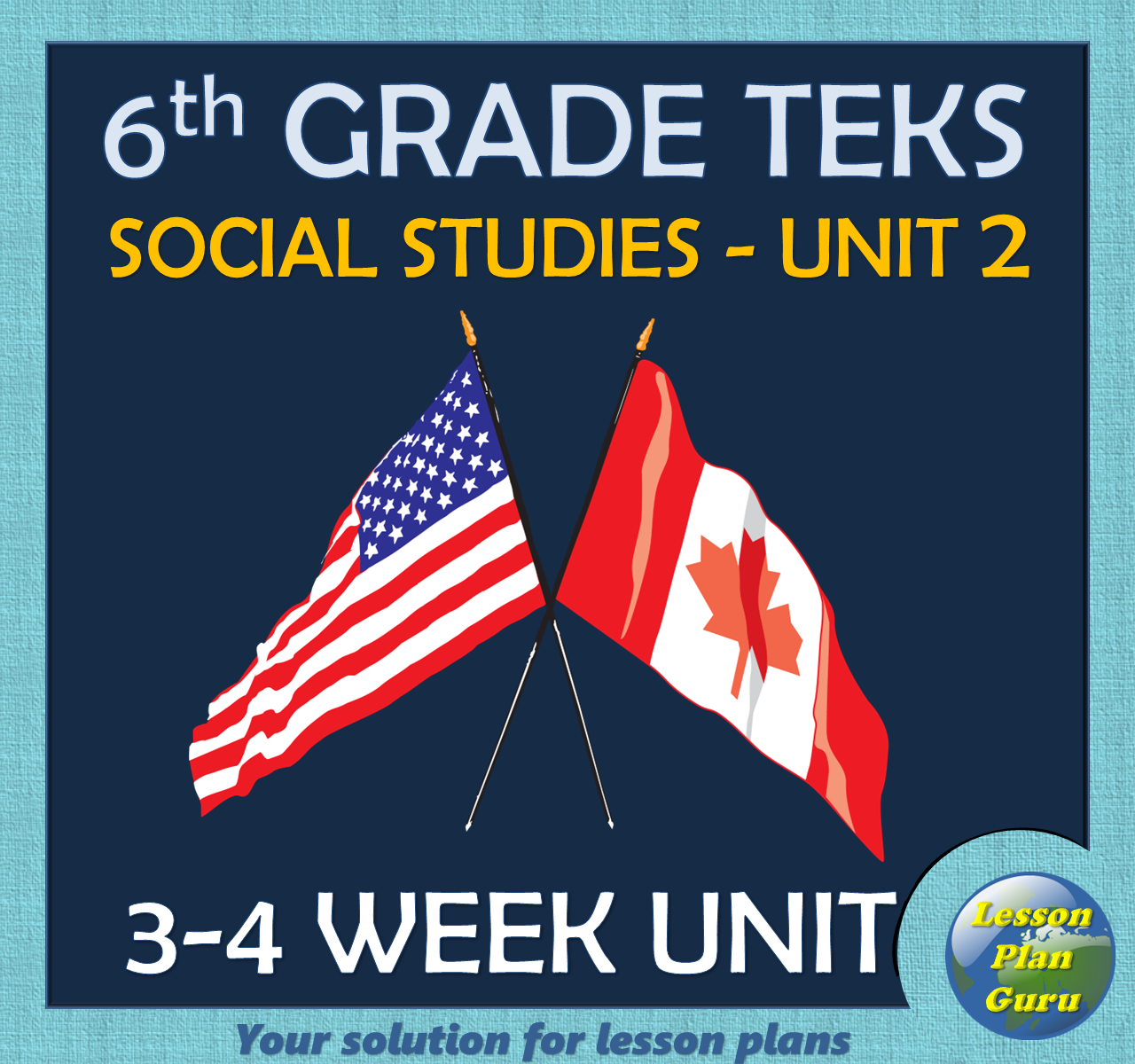
Unit 2: United States & Canada (Freedom for All)
-
Examination of Native American and immigrant cultural influences
-
How freedom is a core value in this region of the world
-
Why rights, responsibilities, and duties are important in a democracy
-
How government can affect innovation, research, and the use of technology
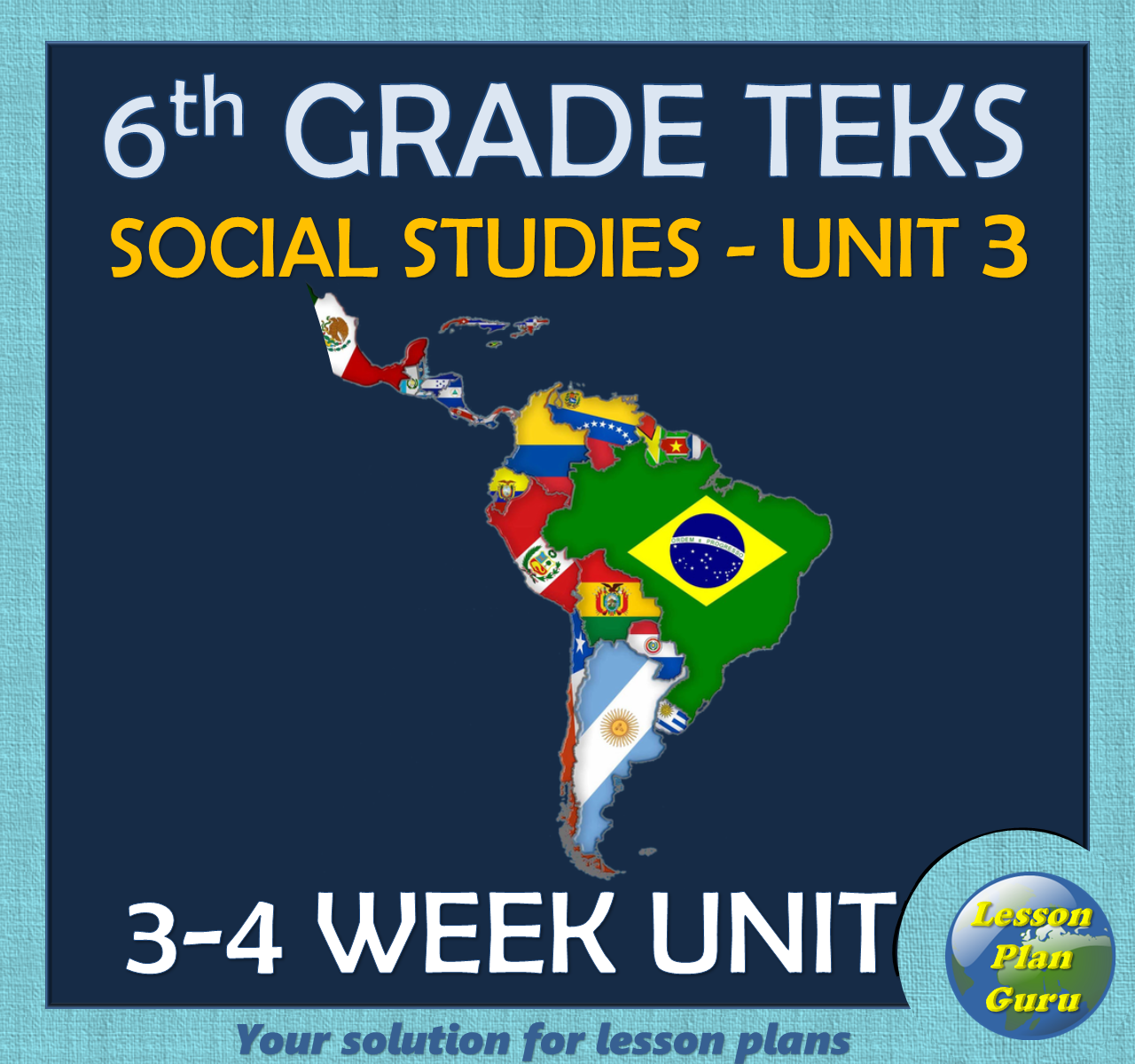
Unit 3: Latin America (A Legacy of Colonialism)
-
Cultural influence of Spanish and Portuguese colonization
-
Contributions of Indigenous civilizations like the Aztec, Inca, and Mayans
-
Prominence of Christianity throughout much of the region
-
Historical and economic factors that have shaped the economies and governments of Latin American nations
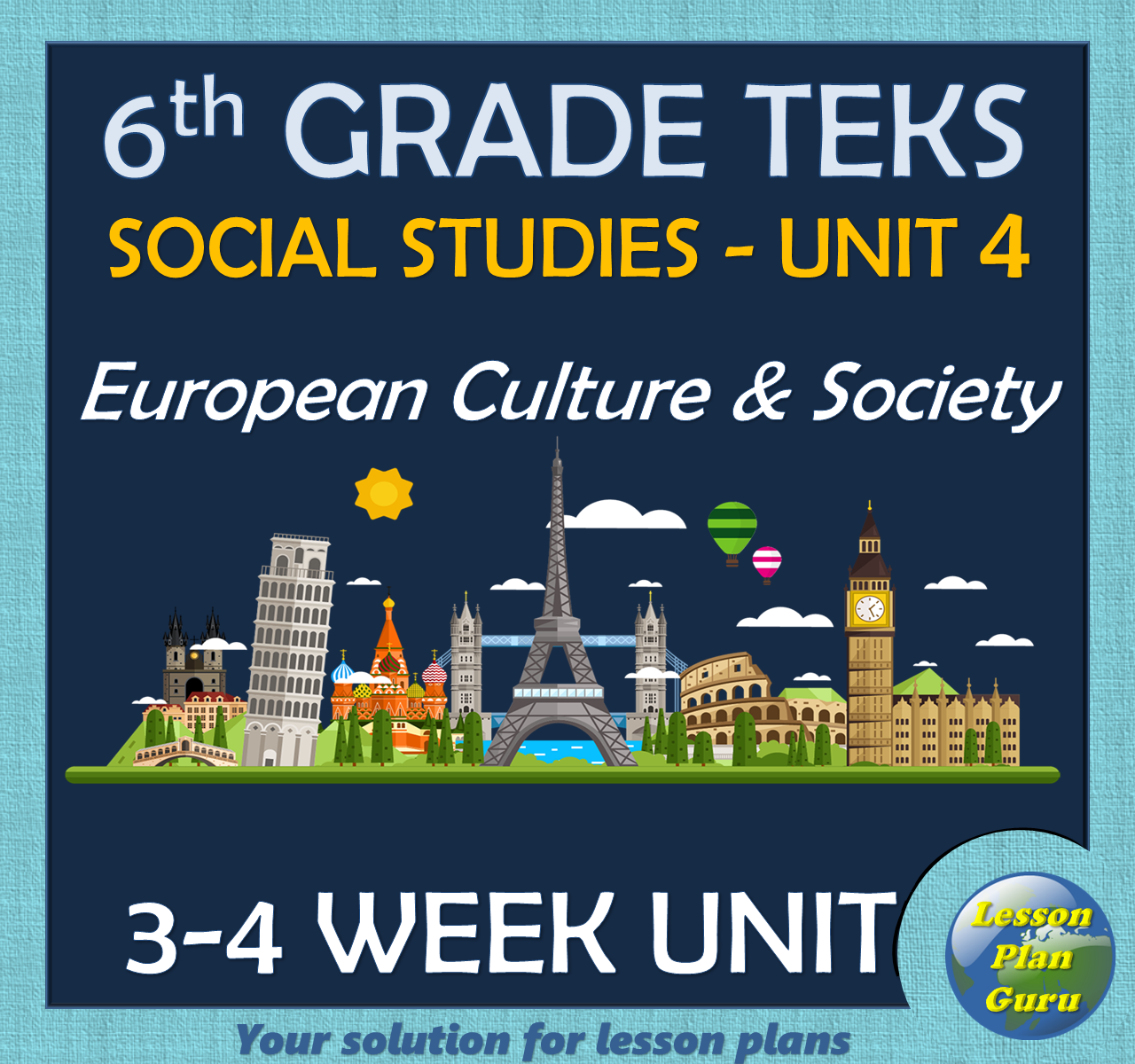
Unit 4: Europe (We Are Family)
-
In-depth examination of various culturally influential and historical time periods, like the Middle Ages and the Renaissance
-
Global cultural influence of popular European customs and traditions
-
Role of the European Union (EU) and how it promotes cultural awareness
-
Language distribution patterns
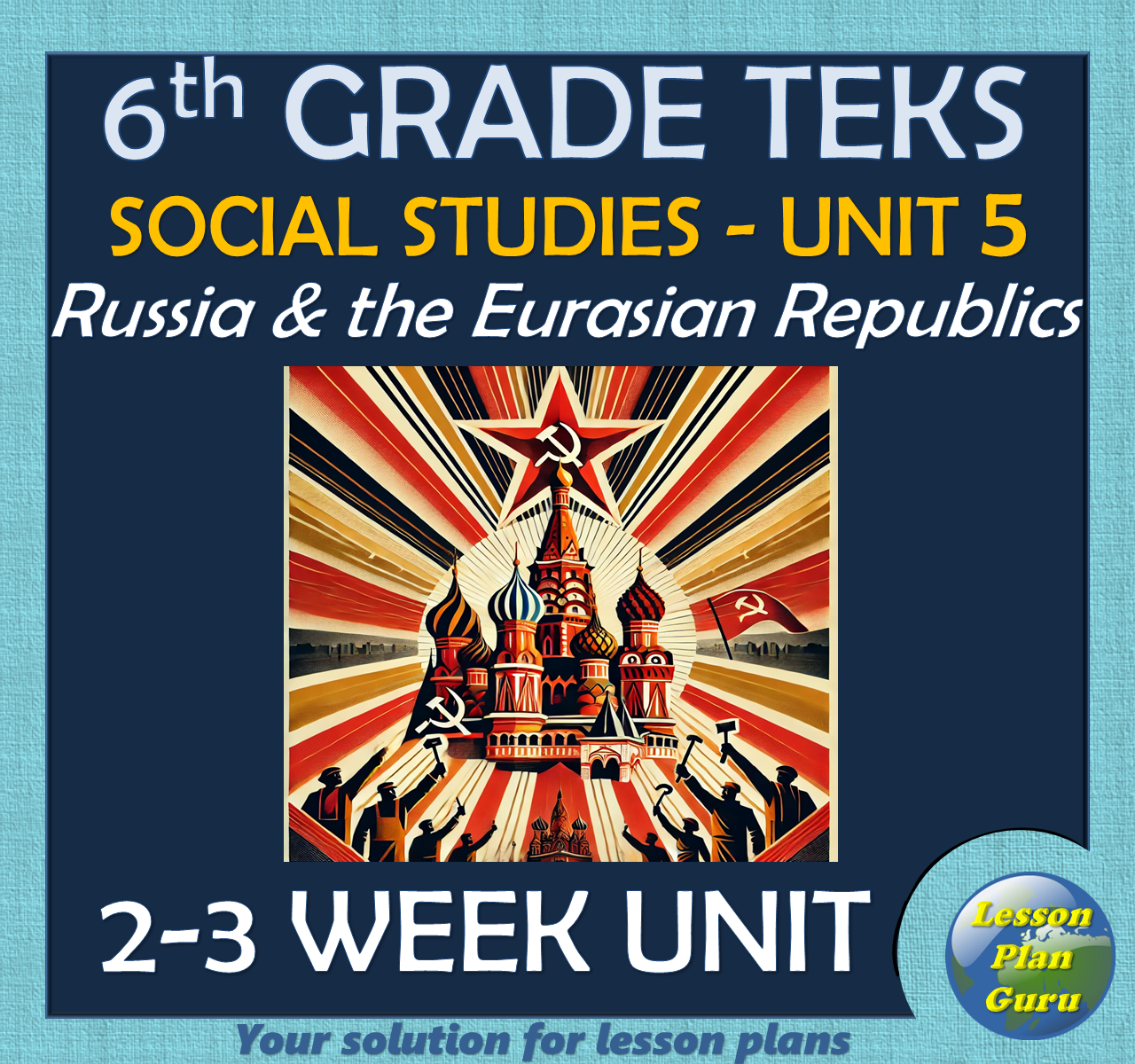
Unit 5: Russia and the Eurasian Republics (Empire and Ethnicity)
-
Analysis of the rise and fall of the Russian Empire, including its cultural impact
-
Creation of the Soviet Union, including the role of key figures like Joseph Stalin
-
Characteristics of the Soviet-era communist government and state-run command economy
-
Examination of how nations in this region have embarked on a path toward a more democratic or a more authoritarian type of government after the collapse of the Soviet Union
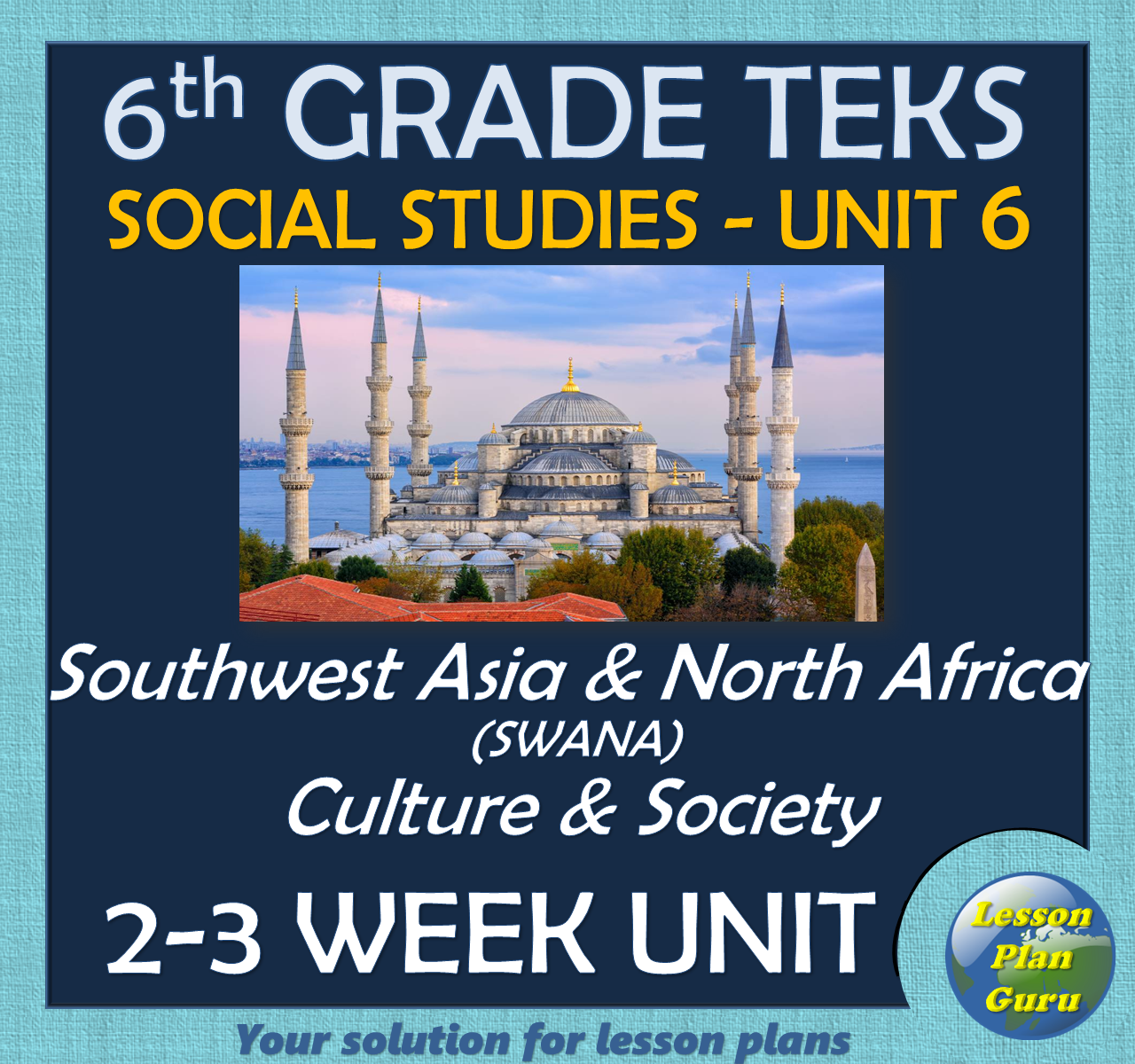
Unit 6: Southwest Asia and North Africa (A Crossroads of Diffusion)
-
Overview of the physical geography of the region and how it's played a major societal role in the region
-
Origins of the major world religions founded in the region (Judiasm, Christianity, and Islam)
-
How religious beliefs, practices, customs, and traditions shape daily life and cultural identity
-
Region has a diverse mix of limited and unlimited forms of government
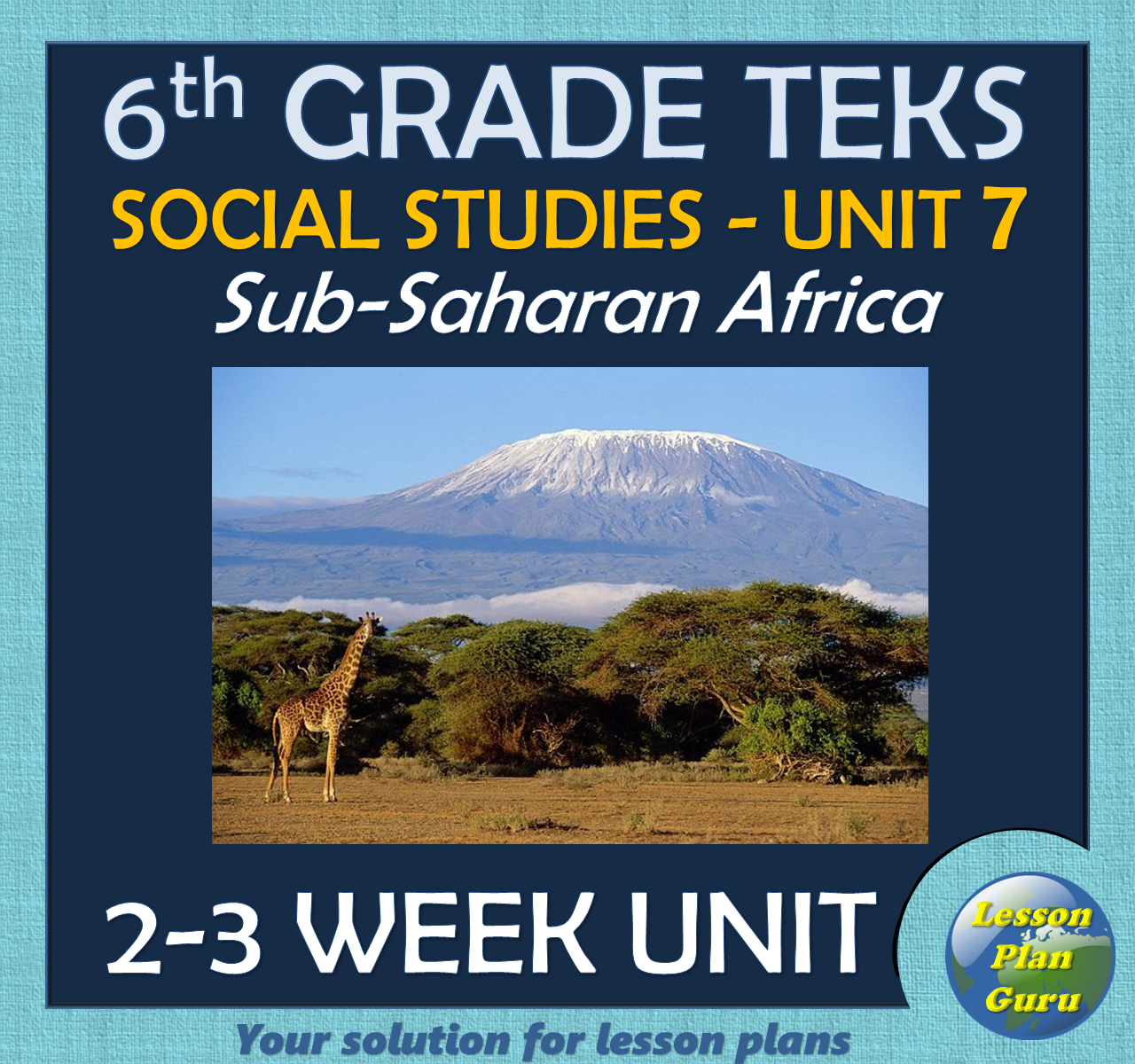
Unit 7: Sub-Saharan Africa (Facing Challenges)
-
How climate is a major influence on human settlement and population patterns
-
Profound effects of the African Diaspora and culture and society
-
Enduring legacy of European colonization causing much of the region to become economically dependent on exporting raw goods
-
Why the region has struggled with political instability, including rampant corruption, military coups, and the effects of apartheid
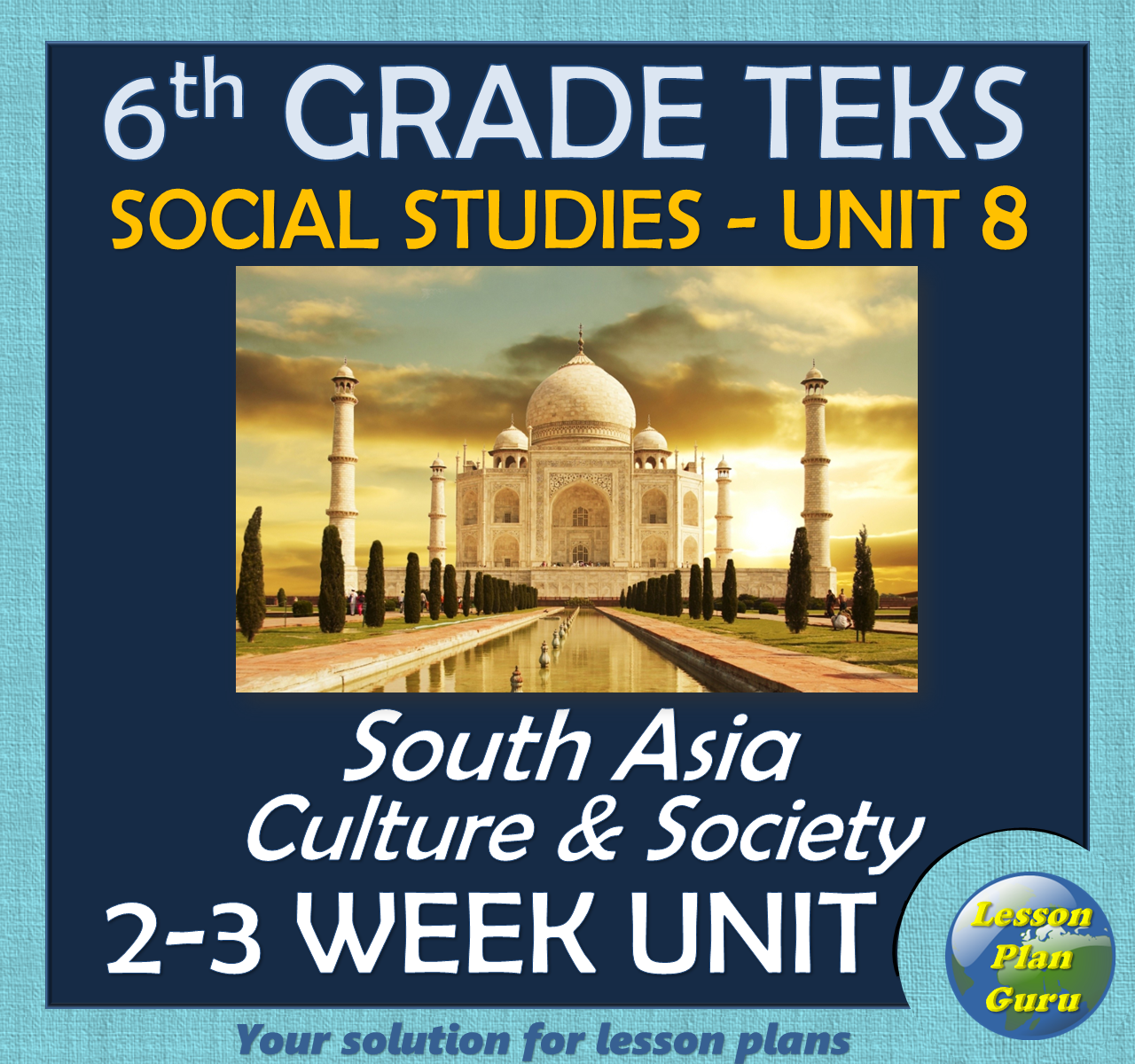
Unit 8: South Asia (Unity and Division)
-
How tectonic plates created the Indian subcontinent
-
Human adaptation to environmental challenges like tsunamis, typhoons, and monsoon seasons
-
Cultural, political, and economic legacy of British colonial influence, including the Partition of India
-
Origins and key beliefs of Hinduism, Buddhism, and Sikhism, and their role in shaping daily life
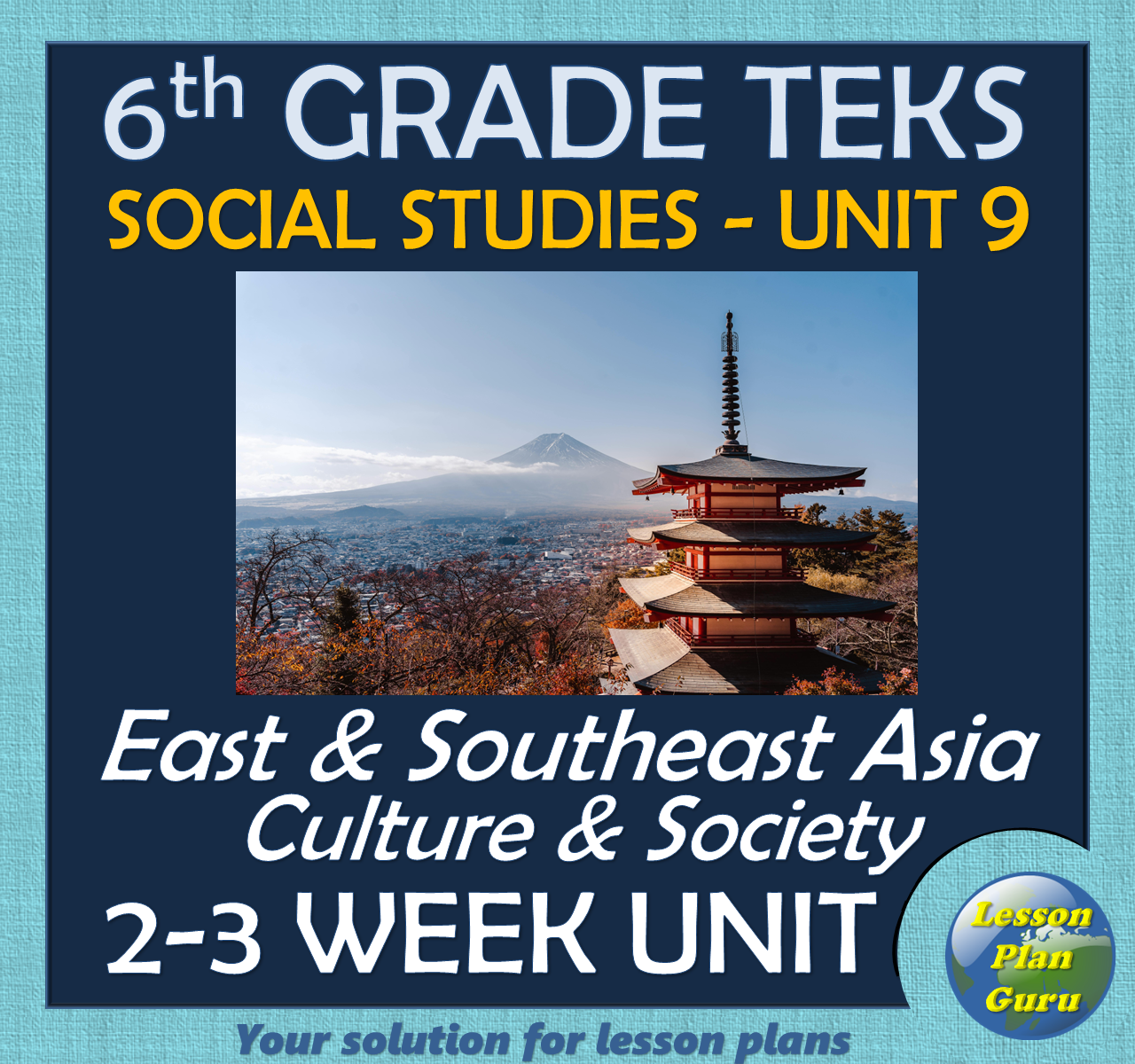
Unit 9: East and Southeast Asia (Tradition in a Modernizing World)
-
Examination of numerous historical influences, including the ancient Chinese and Mongol empires, Japanese imperialism, and European colonization
-
How cultural traits reflect cultural beliefs and values throughout the region
-
Why the region has a unique variety of limited and unlimited forms of government
-
Overview of the spectrum of economies in the region from strict command economies to open free market economies
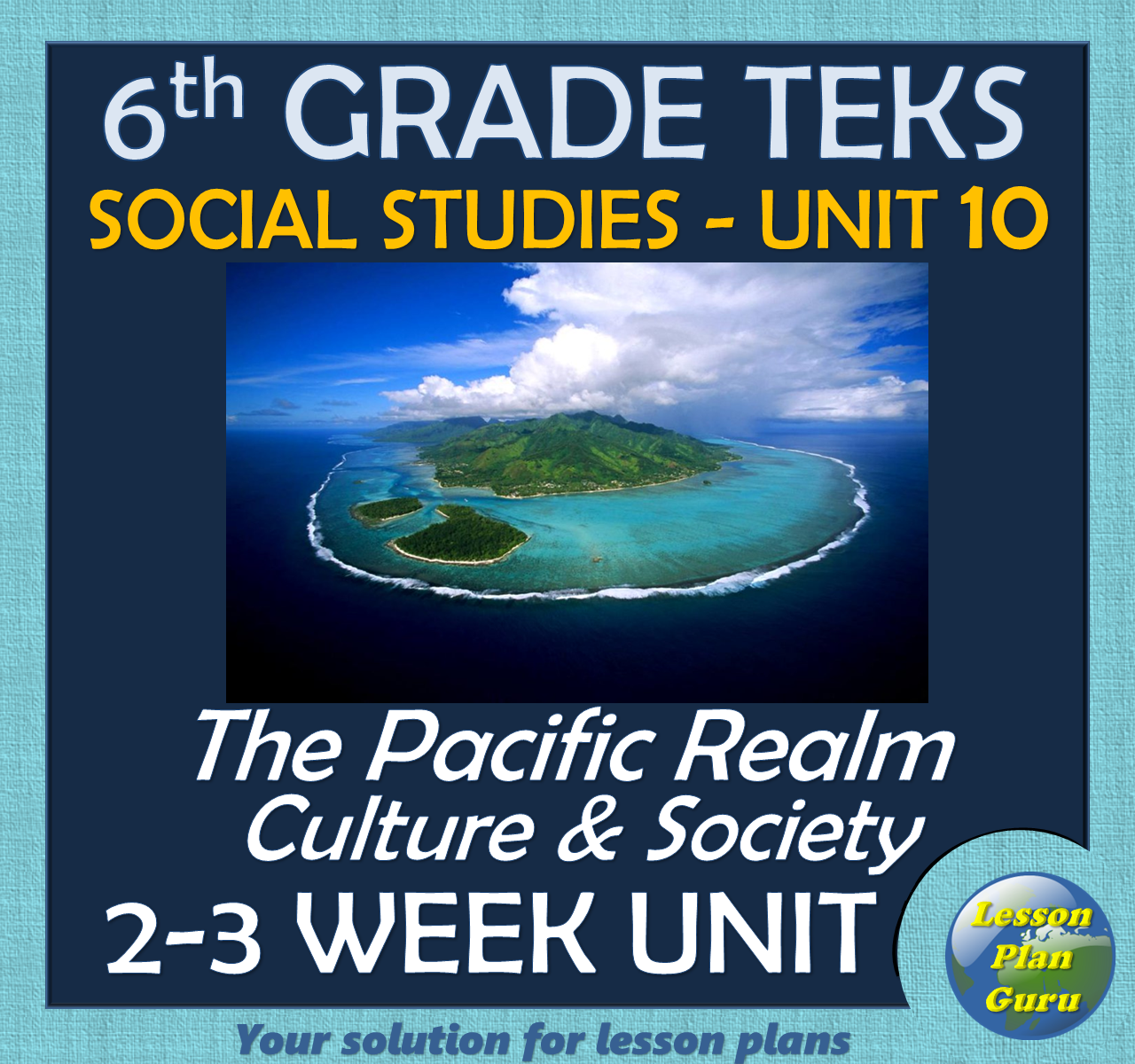
Unit 10: The Pacific Realm (Adapting Down Under)
-
Significance of major landforms like the Great Barrier Reef
-
Causes and effects of climate change on the region, such as rising sea levels and more frequent droughts
-
Case studies of human adaptation to the evolving physical environment
-
Analysis of Polynesian wayfarers and how they navigated such great distances across the Pacific
-
Importance of various customs and traditions, including body art and tattooing, clothing, and dances, such as the Haka
Plus, so much MORE!!
These incredible resources cover the following learning standards and guidelines:
TEKS
6.1A, 6.1B; 6.2A, 6.2B; 6.3A, 6.3B, 6.3C, 6.3D; 6.4A, 6.4B; 6.5A, 6.5B, 6.5C; 6.6A, 6.6B, 6.6C; 6.7A, 6.7B, 6.7C; 6.8A, 6.8B; 6.9A, 6.9B, 6.9C; 6.10A, 6.10B, 6.10C; 6.11A, 6.11B; 6.12A, 6.12B; 6.13A, 6.13B, 6.13C, 6.13D; 6.14A, 6.14B, 6.14C; 6.15A, 6.15B, 6.15C, 6.15D; 6.16A, 6.16B, 6.16C; 6.17A, 6.17B; 6.18A, 6.18B, 6.18C; 6.19A, 6.19B, 6.19C, 6.19D; 6.20A, 6.20B, 6.20C, 6.20D; 6.21A, 6.21B, 6.21C, 6.21D, 6.21E; 6.22A, 6.22B
Join hundreds of satisfied teachers!
If you have any questions about this product, please reach out to me directly at [email protected]